

How to Choose the Right Hydraulic Quick Connect Coupler for Your Equipment
Author:
Longzhong Rubber
Apr 16,2026


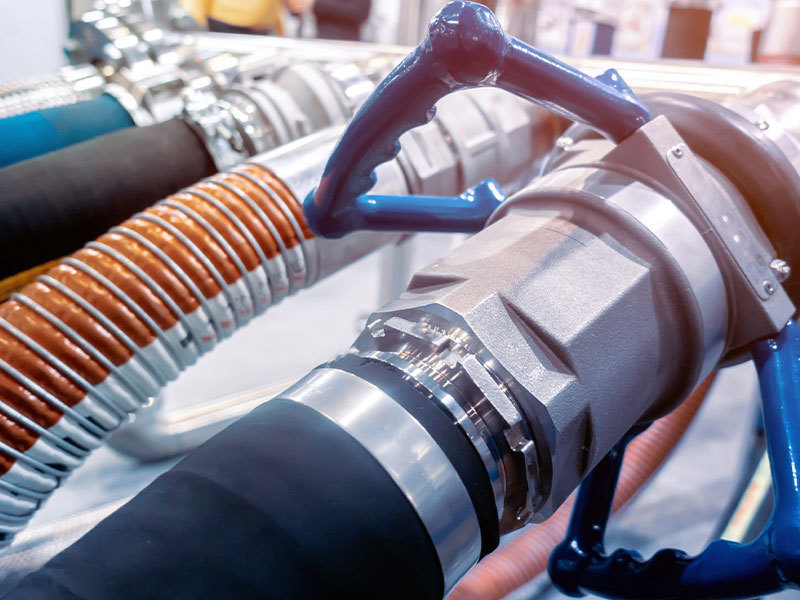
You need the right hydraulic quick-connect coupler. This keeps your equipment safe and working well. If it does not fit right, it can leak or break. Longzhong Rubber gives you trusted solutions. Their Quick Connector works for tough jobs. It helps you avoid common problems. Make a smart choice to stop leaks. You will get good performance every time.
Key Takeaways
Always look at what your hydraulic system needs before you pick a coupler. Make sure the pressure, flow, and connection types match. This stops leaks from happening.
Use tools like calipers and rulers to measure the coupler size. Getting the right size helps stop leaks and makes things work well.
Know the difference between poppet and flat face couplers. Flat face couplers help lower leaks and keep out dirt.
Pick couplers made from strong materials like stainless steel for tough jobs. This keeps them from rusting and helps them last longer.
Check and clean your couplers often. Doing this simple job can stop leaks and help your system work better.
Always check your hydraulic system for leaks after you put it together. Pressure testing can find weak spots before they get worse.
Do not make mistakes like missing the right details or mixing different fittings. These mistakes can cause leaks and make your system break.
Use trusted brands for good couplers. Good fittings help keep your hydraulic system safe and working well.
Check Hydraulic System Requirements
When you pick a hydraulic quick connect coupler, you need to know what your equipment needs. The coupler must match your system to keep it safe. If you do not check this, leaks and problems can happen. Look at the pressure, flow, and connection types before you buy any fittings.
Pressure and Flow Needs
Why Pressure Ratings Matter
Hydraulic systems use a lot of pressure. You should find out how much pressure your equipment uses. If you use the wrong fittings, they can leak or break. Always look at the pressure rating on your coupler. Make sure it matches your equipment. Some systems need high pressure for work strokes. Others use lower pressure for fast moves.
This table shows normal numbers for hydraulic systems. Pick fittings that match these numbers. If you use air compressor fittings, check their pressure rating too. Not all air compressor fittings are good for hydraulic systems. Always compare the numbers.
Flow Capacity Basics
Flow rate means how much fluid moves in the system. If the fittings are too small, your equipment will slow down. You should measure the flow rate your system needs. Pick fittings that let enough fluid go through. This stops pressure drops. Air compressor fittings have different flow rates. Check these numbers before you use them. Good flow helps your equipment work well.
Connection and Thread Types
Common Thread Standards
You need to know the thread type on your equipment. If the threads do not match, you can get leaks. Here are some important things about thread compatibility:
The right thread type stops leaks and keeps pressure in.
Wrong threads can make the system fail and not work well.
Use good sealing and follow thread standards like NPT or BSP.
There are many thread types like NPT, BSP, and metric. Air compressor fittings may use other threads than hydraulic ones. Always check the thread type before you connect anything.
Port Sizes
Port size is important for a good fit. Measure the port size on your equipment. Match it to your fittings. If you use the wrong size, you can get leaks or bad performance. Air compressor fittings come in many sizes. Check the label and measure with a ruler or caliper. Matching port sizes helps stop leaks and gives a tight fit.
Tip: Always check pressure, flow, thread type, and port size before you buy new fittings or air compressor fittings. This keeps your system safe and working well.
Size and Compatibility of Quick-Connect Couplers

Picking the right size is very important. You must make sure the coupler fits your equipment. This stops leaks and keeps everything working well. Matching the coupler size and thread or face type is needed. If you do not match them, leaks and bad connections can happen.
Measuring Coupler Size
You need to measure the coupler before buying it. This helps you get the right fit and avoid mistakes.
Tools for Measurement
You can use easy tools to check coupler size:
Caliper: Checks how wide or narrow the coupler is.
Ruler: Measures length and width quickly.
Thread gauge: Finds out the thread size and pitch.
Tip: Clean the coupler before you measure it. Dirt can change your results.
Sizing Mistakes to Avoid
Wrong size couplers cause problems. Look at the table to see what can go wrong:
Always check your measurements two times. Do not guess the size. Using the wrong size can cause leaks and make things work badly. Making sure the coupler fits your equipment is important for safety.
Thread and Face Identification
You need to know the thread pattern and face diameter. This helps you get a good fit and stops leaks.
Thread Patterns
Hydraulic quick connect couplers use different threads. Some common thread patterns are:
1/2" NPT
3/8" NPT
#08 JIC
5/8” SAE
#10 JIC
Thread sizes must be exact. Even small mistakes can cause leaks. Use a thread gauge to check the pattern. Using couplers from the same brand helps parts fit and lowers the chance of mistakes.
Face Diameter
Face diameter is needed for a tight seal. Flat face is the most common type. Measure the face diameter with a caliper. Even a tiny mistake can cause leaks. Always check the face type and size before you install it.
Note: Getting the thread and face right is very important. This step stops leaks and keeps your system working well.
You must check compatibility every time. Measure carefully, check thread and face types, and make sure everything fits before you use it. This keeps your hydraulic system safe and working well.
Choosing Hydraulic Quick Connect Types
You should learn about the main types of hydraulic quick connect couplers before picking one. Each type has its own features for different jobs. The right type keeps your equipment safe and working well.
Poppet vs. Flat Face
Hydraulic quick connect couplers come in two main styles. These are poppet and flat face. You see these types on many machines and tools.
Poppet Features
Poppet couplers have a spring-loaded valve inside. This helps control fluid when you connect or disconnect hoses. Many older machines use poppet couplers. They are good for simple jobs. These couplers can handle high pressure. But they might leak some oil when you take them apart. Cleaning them is not easy, so dirt can get inside. This can cause problems if you work in dirty places.
Flat Face Benefits
Flat face couplers have a smooth surface that seals tight. These couplers leak less oil. Cleaning is easy because the surface is flat. Dirt does not get in as much. Flat face couplers last longer and work better in tough places. They meet ISO 16028 standards. This means they are safe and reliable. Many people use flat face couplers on new machines. They help stop leaks and keep your system clean.
Here is a table to compare poppet and flat face couplers:
Tip: If you want less mess and better protection, flat face hydraulic quick connect couplers are a smart choice.
Specialty Couplers
Some jobs need special hydraulic quick couplers. You should know what your equipment needs before you pick one.
High-Pressure Use
High-pressure hydraulic quick connect couplers are made for tough jobs. These couplers can handle strong force without leaking. You see them in construction, mining, and heavy equipment. They let you connect hoses fast without tools. You do not need to worry about leaks or weak spots.
Here are some common types of hydraulic quick couplers for high-pressure work:
Contamination Protection
You need to keep your hydraulic system clean. Some hydraulic quick-connect couplers have special seals or covers. These stop dirt and water from getting inside. Flat face couplers are good for this because you can wipe them clean before connecting. This helps your equipment last longer and work better.
Quick Connector is made for high performance and reliability. You can trust it for a strong, leak-free connection in many places.
Note: Always match the hydraulic quick connect type to your job. This keeps your system safe and helps you avoid costly repairs.
Material and Quality for Hydraulic Quick Couplers
When you pick hydraulic quick couplers, you need to think about material and quality. These two things decide how well your fittings work in hard places. If you choose the wrong material, your fittings can rust or break. Good quality helps your hydraulic quick couplers last longer and keeps your system safe.
Material Options
Steel, Brass, Stainless
Hydraulic quick couplers are made from different materials. Each one has its own strengths:
Stainless steel is very strong and does not rust easily. You can use it in wet or rough places.
Brass is strong and also fights rust. People use brass for jobs that are not too heavy.
Aluminum is light but still strong and does not rust much. It is good for lighter equipment.
You should pick the right material for your job. Heavy work needs stainless steel. Lighter jobs can use brass or aluminum.
Corrosion Resistance
Corrosion can damage your fittings and make them leak. You need to know how each material handles rust:
Carbon steel can rust in wet or chemical places. It may not last long there.
Stainless steel has chromium and nickel. These make a layer that stops rust.
Chromium in stainless steel protects against water and chemicals. Nickel makes it stronger for salty or tough places.
If you want your hydraulic quick couplers to last, pick materials that fight rust. This keeps your fittings safe and working longer.
Quality Standards
ISO and SAE Ratings
Quality is just as important as material. You should look for hydraulic quick couplers with ISO and SAE ratings. These show your fittings passed hard tests for strength and safety. When you see these marks, you know your fittings will work well.
Tip: Always check for ISO and SAE ratings on your hydraulic quick couplers. These marks mean your fittings are high quality.
Manufacturer Reputation
The company that makes your hydraulic quick couplers matters. A trusted company checks quality and follows rules. This means your fittings will be safe and work well. If you pick a brand with a bad name, you may get fittings that break or do not work right.
Good companies check quality all the time.
Trusted brands follow the rules and keep their process steady.
Good suppliers build trust and help you avoid problems.
Bad brands can mean low quality and more trouble.
A top manufacturer is known for good quality and for following the rules. Their hydraulic quick couplers are tested and use the best materials. When you pick a good company, you protect your equipment and keep your system working well.
Ensuring Compatibility and Preventing Leaks
You must focus on compatibility when you want to stop leaks in your hydraulic system. A good fit between hoses, attachments, and couplers keeps your equipment safe. Even a small mistake can lead to leaks, which can cause damage or even dangerous situations.
Hose and Attachment Fit
Hose End Types
You will find different hose end types in hydraulic systems. Some common types include:
Straight thread ends
Tapered thread ends
Flanged ends
Quick connect ends
Each type needs a matching attachment. If you use the wrong end, leaks can start right away. You should always check the hose end before you connect it. A mismatch can cause leaks, even if the pressure is not high. The seal between the hose and the fitting is the most important part for preventing leaks.
Attachment Checks
You need to check every attachment before you use it. Look for damage, dirt, or worn seals. If you see any problems, replace the part. When you install a hose, do not twist it. Twisting can put stress inside the hose. This stress can cause leaks later. A case study showed that even a small twist during installation led to leaks and poor flow. Always tighten fittings straight and use the right tools. This helps you keep compatibility and avoid leaks.
Tip: Always clean and inspect attachments before connecting. This simple step helps in preventing leaks and keeps your system safe.
Leak Prevention Tips
Seal Materials
Seals play a big role in preventing leaks. You should choose the right seal material for your system. Common seal materials include:
Hydraulic seals block leaks and keep dirt out. Their flexible material lets them work under high pressure. A well-designed seal spreads force evenly. This helps keep pressure inside and stops leaks. As pressure goes up, good seals press tighter and reduce leaks.
Pressure Testing
You should always test your system for leaks after installation. Pressure testing means you fill the system with fluid and raise the pressure above normal. Watch for leaks at every joint and seal. If you see leaks, fix them before you use the system. Hydrostatic pressure testing is a trusted way to check for leaks. This test helps you find weak spots and improve compatibility.
Note: Regular pressure testing is key for preventing leaks and keeping your system reliable.
You can trust quality quick connector for strong compatibility and leak-free performance. Always focus on proper fit, seal choice, and testing. These steps help you avoid leaks and keep your hydraulic system working well.
Common Mistakes with Quick-Connect Couplers
You should know about the mistakes people make with quick-connect couplers. These mistakes can cause leaks or even make your system stop working. Some mistakes can also be dangerous. If you learn what to avoid, your hydraulic system will work better and stay safe.
Overlooking Specs
Some people do not check the specs before picking a quick-connect coupler. This is a big mistake. The wrong coupler might not handle your system’s pressure or flow. Even mixing up a normally open and a normally closed part can break the system. You might see the actuator move when it should not. Pressure can build up in the wrong spot. If you forget about fluid cleanliness, dirt can get in. Dirty fluid can ruin your pump. Most vane pump problems happen because of dirty fluid. This shows why checking every detail is important. Always read the specs and make sure they fit your equipment.
Here are some mistakes people make with quick-connect couplers:
Picking the wrong coupling can cause leaks or contamination.
Using the wrong coupler with a hose can lower pressure or make the system weak.
Not installing the coupler right can make it wear out or break early.
Safety problems like blow-offs or touching dangerous fluids can happen.
Tip: Always check the specs two times before you buy or use quick-connect couplers.
Ignoring Maintenance
You need to keep your quick-connect couplers clean and working well. If you do not take care of them, you can get leaks or broken parts. This can make your system stop or slow down. Cleaning and checking your couplers helps them last longer. Dirt and old seals can let fluid leak out. This can make your system slow or stop. You should look at your couplers often. Change any broken parts right away. Clean the coupler before you connect it. These easy steps help you save money and keep your equipment safe.
Wrong Coupler Type
Picking the wrong quick-connect coupler can hurt your system. The coupler might not fit your job or your machine. This can cause leaks or bad connections. Your system might not work as well.
If you pick the wrong coupler, you can get leaks or lose system power.
You should always pick the coupler that matches your system. Look at the pressure, flow, and where you use it. Flat face couplers are good for dirty places because they are easy to clean. Poppet couplers are better for old machines. If you are not sure, ask someone who knows or check the manual. Picking the right coupler keeps your system safe and working well.
If you avoid these mistakes, your quick-connect couplers will work better. Your equipment will last longer and your workplace will be safer.
Skipping Testing
You might think you are done after putting in quick-connect couplers. Testing can feel like something extra you do not need. But skipping testing can cause big problems. Hydraulic systems use a lot of pressure. Even a tiny leak can turn into a big issue.
Testing helps you find leaks and weak spots. It also shows if you made mistakes when putting things together. If you do not test, you could have safety problems or broken equipment. You might spend more money and hurt the environment too. The table below shows what can happen if you skip testing:
You should always test each quick-connect coupler after you put it in. Pressure testing checks if the coupler can handle your system. You can use hydrostatic or pneumatic testing. Both ways help you find leaks before they get worse.
Tip: Test your couplers at a higher pressure than normal. This helps you find leaks and weak spots that you might miss.
Check every connection for drips, wet spots, or strange noises. If you see a problem, fix it right away. Testing also helps you follow rules like ISO and SAE. These rules say you must show your system does not leak.
Testing protects your equipment, your workers, and the environment. It also saves you money by stopping big repairs and lost time. You should test every time you install couplers. This keeps your hydraulic system safe and working well.
Skipping testing is a mistake you do not have to make. Make testing a habit for every coupler. You will have fewer problems and your system will work better.
Installation and Maintenance Tips

You need to follow the right steps for installation and maintenance. This keeps your hydraulic system safe and working well. Good fittings and careful work help stop leaks and machine problems.
Installation Steps
Safety Precautions
Safety is very important when you install parts. Always wear gloves and safety glasses. Turn off the hydraulic system before you begin. Make sure all pressure is gone from the lines. Look around for spills or anything dangerous. Clean the fittings and the area so dirt does not get inside.
Tip: Take your time when installing parts. Working slowly helps stop accidents and keeps your system safe.
Step-by-Step Guide
Here are easy steps for installing fittings:
Get all the fittings, hoses, and tools you need.
Check each fitting for damage or dirt.
Wipe the ends of the fittings with a clean cloth.
Match each fitting to the right port.
Tighten the fittings with your hand first. This stops cross-threading.
Use a torque wrench to finish tightening to the right level.
Make sure all fittings are lined up right.
Test the system at low pressure before using it fully.
A worker from a construction company shared a story:
"We started using Quick Connectors on our excavators. It was easy to install them, and the fittings sealed well. Our team saw fewer leaks and faster repairs. Now we finish jobs on time and do not have big repair bills."
This shows that good installation and the right fittings really help in real life.
Maintenance Practices
Cleaning and Inspection
You should clean your fittings often. Use a soft brush and the right cleaner. Wipe off oil, dirt, and junk. Look at each fitting for cracks, rust, or bad seals. Change any broken fittings right away. Cleaning and checking often helps you find problems early.
Replacement Intervals
You need to change fittings and seals on a schedule. Old or worn parts can break without warning. Most experts say to change seals every year. Change fittings every two years, or sooner if you see damage. Always follow the rules from ISO 4413 for hydraulic safety (source).
Note: Taking care of your system saves money and keeps it safe.
You can trust us for good fittings that make work easier. When you follow these steps, your equipment stays safe, and your hydraulic system works well.
You must focus on the right fittings for your hydraulic system. Fittings stop leaks. Fittings keep your equipment safe. Fittings help you avoid leaks in every connection. Fittings make leaks less likely when you check them often. Fittings work best when you follow the right selection steps. Fittings should match your system to prevent leaks. Fittings need regular checks to catch leaks early. Fittings from trusted brands lower leaks. Fittings that meet ISO 4413 help stop leaks. Fittings that you clean and replace on time reduce leaks. Leaks can damage your system. Leaks can cause safety risks. Leaks waste fluid and money. Leaks are easy to prevent with good fittings. For reliable fittings and fewer leaks, choose reliable manufacturers. You can contact them for more help.
Tip: Always follow industry standards like ISO 4413 to keep fittings safe and stop leaks.
FAQ
What are hydraulic quick connect fittings?
Hydraulic quick connect fittings let you join or separate hoses fast. You do not need tools. These fittings help you save time and keep your system safe. You find them in machines, tractors, and many types of equipment.
How do I choose the right fittings for my equipment?
You should check the size, pressure rating, and type of fittings your equipment needs. Look at the system’s flow and pressure. Match the fittings to your hose ends. Always follow industry standards like ISO 4413.
Why does material and quality of fittings matter?
Material and quality of fittings decide how long your system lasts. Good materials stop rust and leaks. High-quality fittings work better in tough jobs. You keep your equipment safe when you pick the right fittings.
How often should I check or replace fittings?
You should inspect fittings every two weeks. Clean them every week. Replace seals every year and fittings every two years. If you see damage, change the fittings right away. Regular checks help you avoid leaks and keep your system working.
Can I mix different types of fittings?
You should not mix different types of fittings. Mixing can cause leaks or weak spots. Always use fittings that match in size, thread, and type. This keeps your system safe and helps you avoid problems.
What causes fittings to leak?
Leaks happen when fittings do not fit right, seals wear out, or dirt gets inside. Using the wrong fittings or not tightening them enough can also cause leaks. Always clean and check fittings before use.
How do I know if fittings are compatible with my hoses?
Check the size, thread, and face type of both the fittings and hoses. Use a caliper or thread gauge to measure. Read your equipment manual. If you are not sure, ask an expert or contact an expert for help.
Where can I buy high-quality fittings?
You can buy high-quality fittings from trusted suppliers. Look for products that meet ISO or SAE standards. Longzhong Rubber offers reliable fittings for many jobs. Always choose fittings that fit your needs and meet safety rules.
Tip: Always follow safety standards and check fittings before each use. This keeps your equipment safe and helps you avoid leaks.


Phone/WhatsApp: +8615303385833
Add: Jianghe River Industrial Zone, Jing County, Hengshui City, Hebei Province, China
Request Quote
Leave your contact information and get a free product quotation